

Carrello
0

Nearly 40 percent of consumers remain uncertain about the safety of buying medicine online, despite the rise of e-pharmacies in everyday healthcare. This uncertainty often comes from confusion about how digital pharmacies work, what rules they follow, and the risks involved. Understanding what sets reputable platforms apart from risky ones empowers you to make safe, confident choices with online medication and protect your health.
Table of Contents
- Defining E-Pharmacy And Common Misconceptions
- Types Of E-Pharmacies And Service Models
- How Online Pharmacies Operate Safely
- Legal Standards And Compliance Requirements
- Risks, Patient Safety, And Choosing Reputable Sites
Key Takeaways
| Point | Details |
|---|---|
| E-Pharmacy Definition | E-pharmacies provide convenient access to medications through online platforms, connecting patients directly with authorized drugstores. |
| Common Misconceptions | Misunderstandings often involve concerns over medication authenticity and safety; consumers should prioritize verified platforms. |
| Service Models | E-pharmacies operate under inventory-based and marketplace models, each offering distinct advantages in product quality, selection, and pricing. |
| Safety and Compliance | Ensuring safety involves verification of prescriptions and strict adherence to regulatory standards, crucial for protecting patient health. |
Defining E-Pharmacy and Common Misconceptions
E-pharmacies represent a digital revolution in healthcare delivery, transforming how patients access medications and medical supplies. According to research from the National Center for Biotechnology Information, these online platforms function as critical interfaces connecting patients directly with authorized drugstores PMC. Unlike traditional pharmacy experiences, e-pharmacies enable users to select medications online, upload prescriptions, and receive home deliveries with unprecedented convenience.
The digital pharmacy landscape offers numerous advantages, but persistent misconceptions often create unnecessary consumer hesitation. Key concerns typically revolve around medication authenticity, provider legitimacy, and overall safety. Potential risks include the possibility of receiving substandard medications or encountering unverified online sellers. As highlighted by research, especially in low and middle-income regions, some e-pharmacies might sell prescription-only medicines without proper medical oversight PMC.
To navigate e-pharmacy services safely, consumers should prioritize platforms that demonstrate clear credentials and regulatory compliance. Here are essential verification steps:
- Check for official pharmacy registration numbers
- Verify the website’s legal authorization to sell medications
- Ensure secure payment and data protection mechanisms
- Look for clear contact information and customer support channels
- Confirm the pharmacy’s physical address and operational credentials
While digital pharmacies represent an innovative healthcare solution, informed and cautious engagement remains crucial. By understanding potential risks and implementing smart verification strategies, patients can leverage these platforms to access convenient, reliable medical resources.
Types of E-Pharmacies and Service Models
E-pharmacies have emerged with diverse operational frameworks, each designed to meet different healthcare delivery needs. According to research from the International Journal of Current Research, these platforms predominantly operate under two primary service models IJCRT. The first model is the inventory-based system, where the digital pharmacy directly manages and owns its medication stock, enabling more streamlined and controlled product distribution.
The marketplace model represents an alternative approach, functioning as an intermediary platform that connects consumers with multiple third-party pharmacies PMC. This model offers greater flexibility and broader product range, allowing patients to compare offerings from different pharmacies. Each model presents unique advantages:
-
Inventory-Based Model:
- Direct control over medication quality
- Faster order processing
- Consistent pricing
- Enhanced quality assurance
-
Marketplace Model:
- Wider product selection
- Competitive pricing
- Multiple pharmacy options
- Increased consumer choice
Regardless of the model, successful e-pharmacies prioritize crucial elements like secure transactions, prescription verification, and robust customer support. Consumers should carefully evaluate each platform’s operational approach, ensuring they select a service that balances convenience, reliability, and regulatory compliance. The goal remains consistent: providing accessible, convenient, and safe medication procurement through digital channels.
How Online Pharmacies Operate Safely
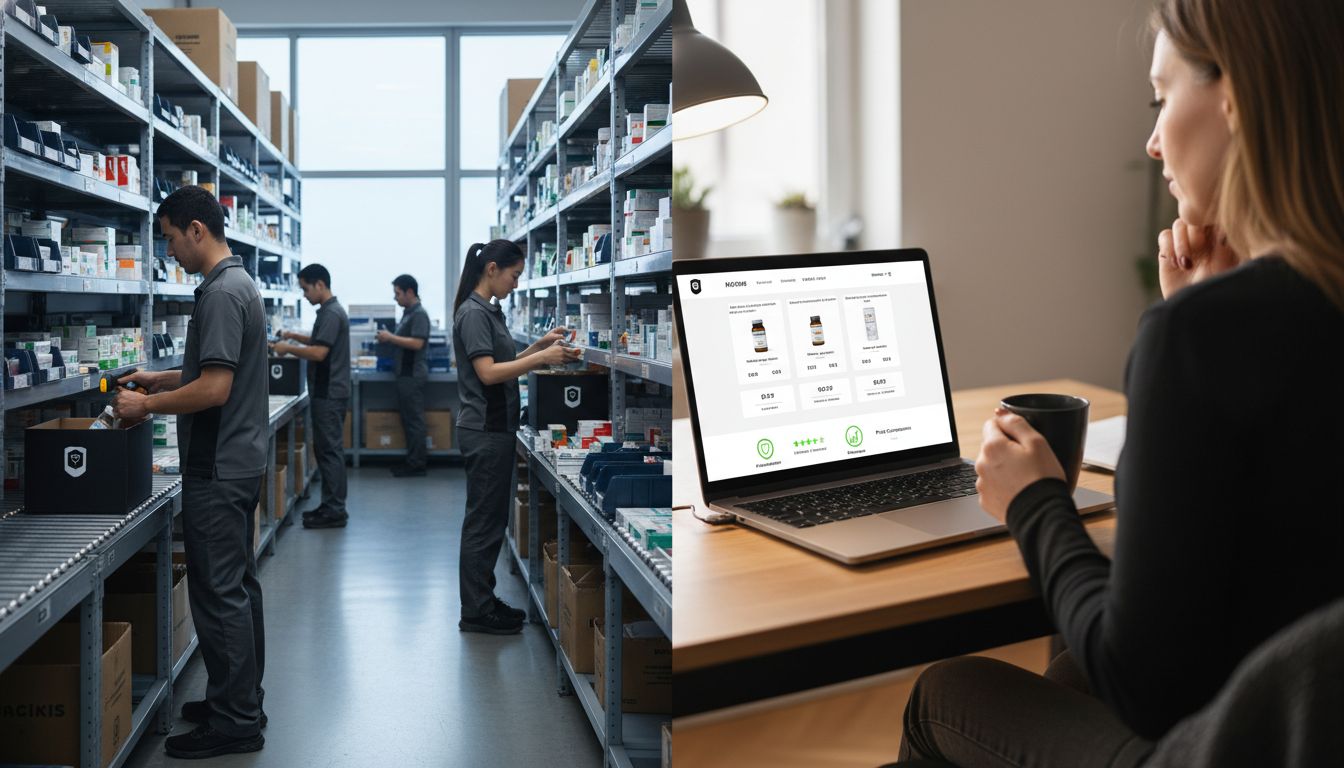
Digital pharmacy safety represents a complex ecosystem of technological and regulatory mechanisms designed to protect patient health and ensure medication integrity. According to research from the National Center for Biotechnology Information, online pharmacies have developed sophisticated e-prescribing systems specifically aimed at reducing potential medication errors PMC. These advanced digital platforms implement multiple layers of verification to safeguard patient wellbeing and maintain rigorous medical standards.
The core safety protocols for online pharmacies typically involve comprehensive steps that mitigate risks associated with digital medication procurement. These critical verification processes include:
- Mandatory prescription verification by licensed pharmacists
- Cross-referencing patient medical history
- Automated dosage and interaction checking systems
- Secure encryption of personal and medical data
- Real-time communication channels with healthcare professionals
Understanding potential challenges is crucial for both consumers and healthcare providers. While e-prescribing technologies significantly reduce human error, occasional discrepancies in medication directions or dosages can still emerge. Successful online pharmacies proactively address these concerns by implementing redundant verification mechanisms and maintaining direct communication pathways with patients and healthcare providers.
Patients seeking safe online pharmacy experiences should prioritize platforms that demonstrate transparent operational practices, maintain robust security protocols, and offer comprehensive support systems. By combining technological innovation with stringent medical oversight, digital pharmacies can provide convenient, reliable, and secure medication access.
For those interested in exploring a trusted online pharmacy platform, careful research and understanding of these safety mechanisms becomes paramount.
Legal Standards and Compliance Requirements
E-pharmacy regulations represent a critical framework designed to protect consumer health and ensure responsible digital medication distribution. As highlighted by research from the National Center for Biotechnology Information, the rapid growth of online pharmaceutical services has significantly outpaced existing regulatory mechanisms, particularly in low- and middle-income countries PMC. This regulatory landscape requires constant adaptation to address the unique challenges presented by digital medication platforms.
The legal compliance requirements for online pharmacies encompass a comprehensive set of standards that govern multiple aspects of digital pharmaceutical services. According to research, these regulations focus on critical areas such as:
- Verification of pharmacy licensing credentials
- Secure prescription management protocols
- Patient data protection and privacy standards
- Strict medication authentication processes
- Transparent pricing and distribution guidelines
- Adherence to national and international pharmaceutical regulations
Navigating these complex legal standards demands robust operational frameworks. Online pharmacies must consistently demonstrate their commitment to maintaining high-quality medical services while protecting consumer interests PMC. This involves implementing advanced technological solutions, maintaining meticulous documentation, and establishing transparent communication channels with regulatory bodies. For consumers, understanding these compliance mechanisms provides crucial insight into the reliability and safety of digital pharmacy platforms.
Risks, Patient Safety, and Choosing Reputable Sites
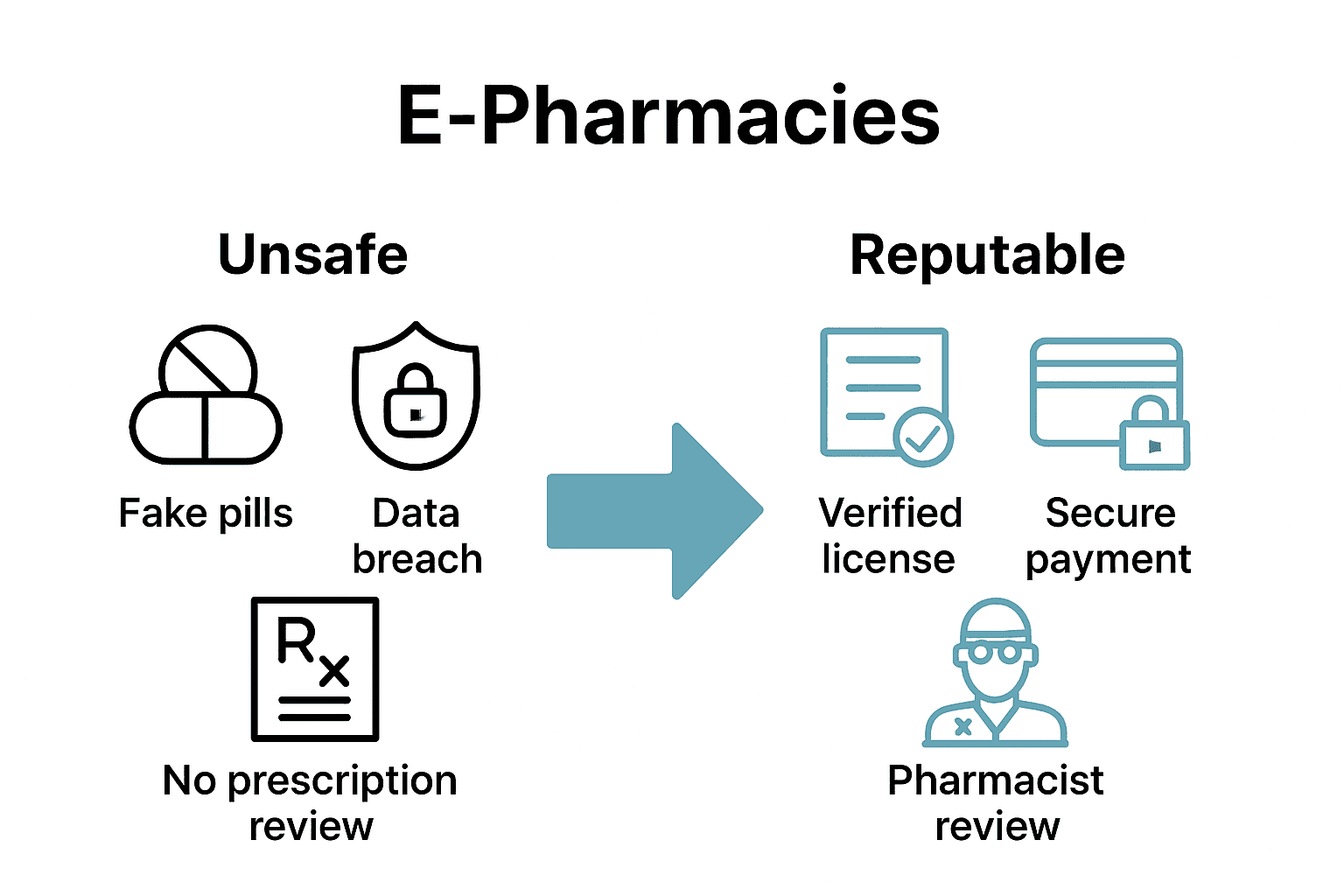
Digital pharmaceutical access brings both unprecedented convenience and significant challenges for consumers navigating online healthcare platforms. Research from the National Center for Biotechnology Information highlights critical concerns about potential medication misuse and health disparities emerging from e-pharmacy services PMC. These digital platforms, while transformative, require careful and informed engagement to ensure patient safety and effective medical management.
The proliferation of online pharmacies has raised substantial concerns about medication quality and distribution integrity. Key risks identified by medical researchers include:
- Potential sale of substandard or falsified medicines
- Lack of comprehensive medical oversight
- Inadequate prescription verification processes
- Privacy and data security vulnerabilities
- Limited personalized medical consultation
Choosing a reputable online pharmacy demands meticulous evaluation and proactive research. According to medical research, patients must prioritize platforms that demonstrate clear compliance with established safety standards PMC. This involves verifying licensing credentials, understanding data protection protocols, and ensuring transparent communication channels. Ultimately, informed consumers can leverage digital pharmacy services effectively by maintaining a critical and discerning approach to online medical procurement.
Experience Safe and Convenient Medicine Access with EasyFarma
Navigating the world of e-pharmacies can be challenging with concerns about medication safety, prescription verification, and reliable service. The article highlights key issues like the importance of licensed credentials and secure transactions to avoid risks such as counterfeit medications or inadequate medical oversight. At EasyFarma, we understand these worries and have built our platform to address them directly by providing a transparent, user-friendly online experience where you can shop confidently.
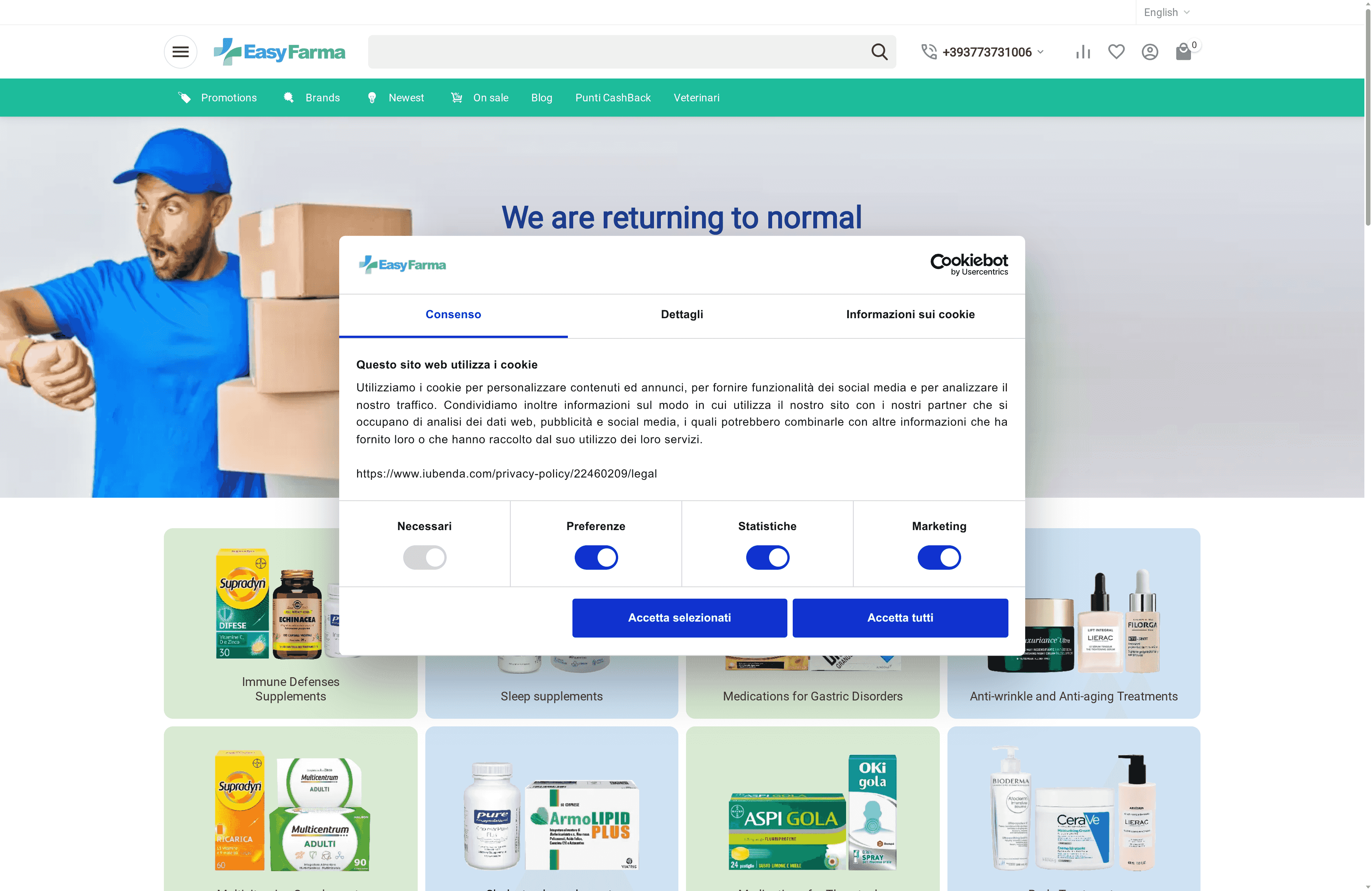
Discover a trusted online pharmacy solution that combines secure prescription management, genuine medications, and expert customer support all in one place. Don’t hesitate to explore our full range of health and wellness products at EasyFarma today. Take the first step toward safer, simpler medicine access now by visiting our official site and making your order with peace of mind.
Frequently Asked Questions
What are e-pharmacies?
E-pharmacies are online platforms that allow patients to access medications and medical supplies digitally, offering convenience through prescription uploads and home delivery.
How can I verify if an e-pharmacy is legitimate?
To verify an e-pharmacy, check for official pharmacy registration numbers, confirm website authorization to sell medications, and ensure there are secure payment and data protection mechanisms in place.
What safety protocols do online pharmacies implement?
Online pharmacies implement safety protocols such as mandatory prescription verification by licensed pharmacists, cross-referencing patient medical histories, and secure encryption of personal data to protect patient health and medication integrity.
What risks should I be aware of when using e-pharmacies?
Key risks include the potential sale of substandard or falsified medicines, inadequate prescription verification processes, and privacy vulnerabilities. Therefore, it’s crucial to choose reputable platforms that comply with safety standards.

